
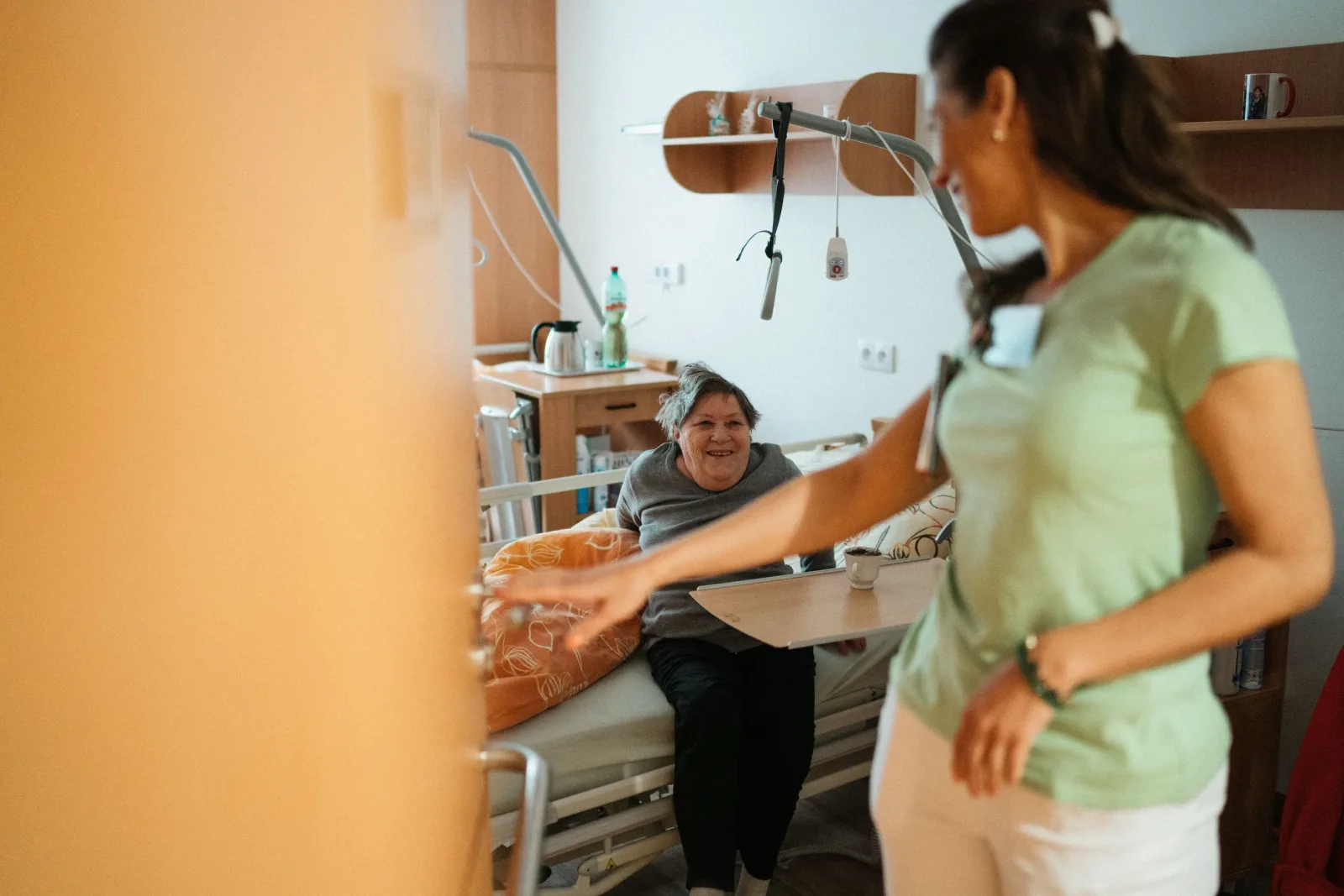
Many outpatient facilities require a responsible adult to drive the patient home and remain for a stated period after anesthesia or sedation. The exact rule belongs to the facility and surgical team.
WakeMed's North Raleigh Surgery Center instructs patients receiving anesthesia or sedation to have a responsible adult accompany them, drive them home, and stay overnight. [1] Other facilities may set different requirements.
Ask the facility directly
Confirm:
Who qualifies as the responsible adult
Whether that person must remain at the facility
Whether a paid caregiver is acceptable
How long someone must stay at home
Whether taxis or rideshares are allowed
What mobility or equipment needs affect the ride
What happens if discharge time changes
Do this before the procedure date.
Choose someone who can complete the whole task
The person may need to receive instructions with permission, collect paperwork and belongings, manage home access, obtain prescriptions, stay for the required time, and contact the clinical team if instructed.
They should not accept medical tasks they are untrained or unauthorized to perform.
Family, friend, or paid help
A family member or friend may work when they are reliable, available, and accepted by the facility. A paid non-medical caregiver may potentially provide transportation, accompaniment, meals, companionship, and everyday support within scope—but the facility must approve the release arrangement.
MedlinePlus notes that recovery needs vary and should be discussed with the surgeon. [2]
Make a backup plan
Create a second contact who can reach the facility, use the same transportation level, enter the home, and stay if required. Share private information only with the older adult's permission.
For broader planning, read Help at Home After Surgery and Transportation After Hospital Discharge.
Frequently asked questions
Can a rideshare take the patient home?
Only if the facility permits it. Some facilities require a responsible adult and will not release a patient to a taxi or rideshare alone.
Can the support person make medical decisions?
Not automatically. Legal authority, consent, and the clinical situation determine that.
Can LoLo guarantee facility acceptance?
No. Confirm the arrangement directly with the facility before the procedure.