
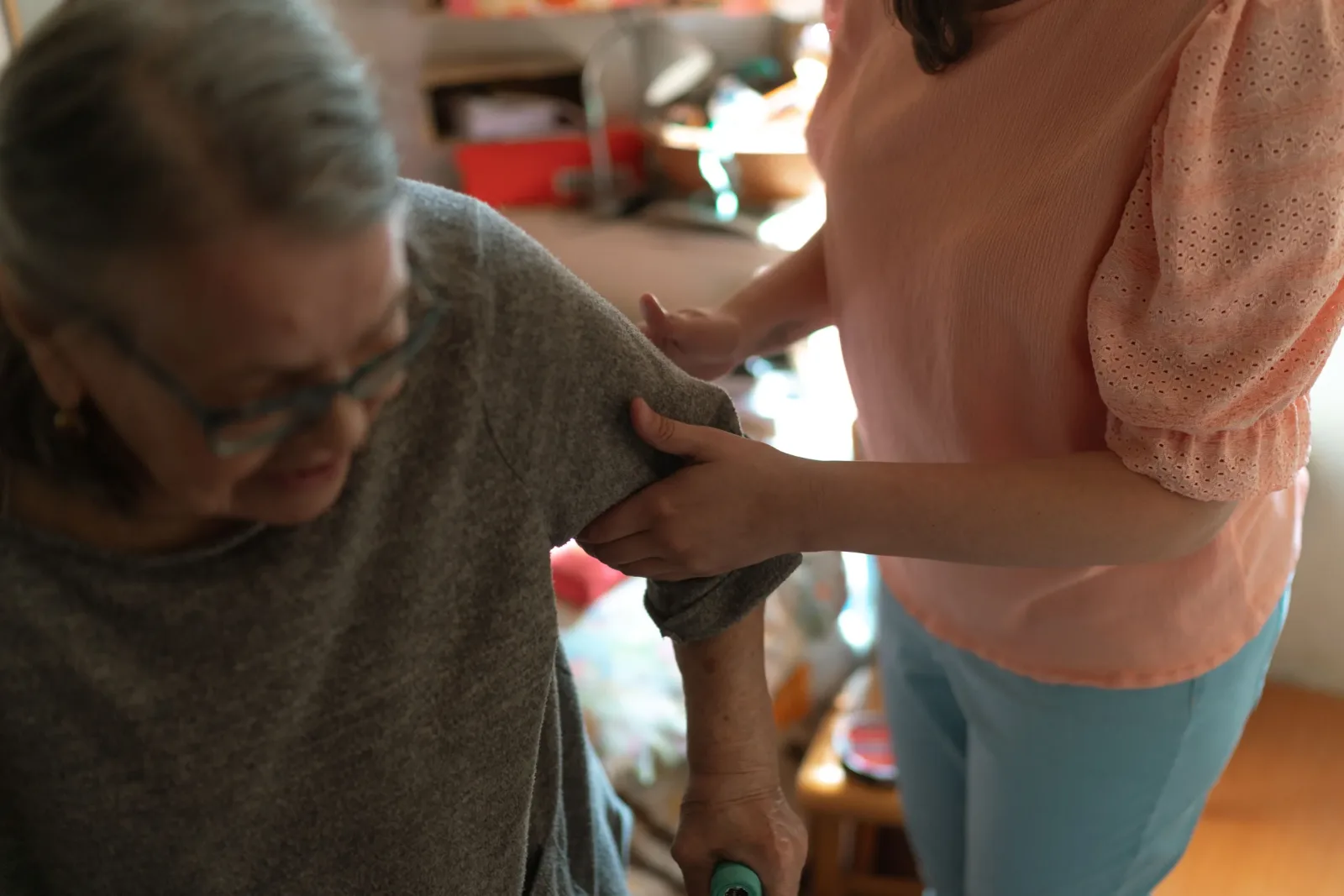
Recovery at home begins before the procedure. Families need the surgeon's instructions, a realistic picture of what the older adult can do, and a plan for rides, meals, prescriptions, household routines, and any required supervision.
“Home care after surgery” can describe several different services. This guide separates clinical care from non-medical help so Raleigh-area families can arrange the right support.
MedlinePlus advises patients to ask the surgeon what to expect, what supplies or equipment will be needed, how long recovery may take, and when activities can resume. [1] The surgical team's individual instructions always control.
Ask the surgeon what recovery will require
Before the procedure, confirm:
Whether the patient will go home the same day
Who must provide transportation
Whether a responsible adult must remain for a stated period
Expected limits on driving, stairs, lifting, bathing, meals, or activity
Medication instructions
Equipment and supply needs
Follow-up appointments
Warning signs and who to contact
What should happen if the family cannot provide required help
Requirements vary by procedure, anesthesia, facility, and patient. WakeMed, for example, tells its day-surgery patients to arrange an adult driver and an adult at home for at least 24 hours after surgery. [2] Follow the instructions from the actual facility rather than assuming one rule applies everywhere.
Prepare the home
Use clinician or therapist recommendations. Clear the main route, check lighting, place approved supplies within reach, stock food that fits the written plan, and make sure the patient can reach a phone.
Do not improvise mobility devices, wound supplies, transfer techniques, or medication routines. The American College of Surgeons offers procedure and skill-specific patient resources, but families still need individualized instruction from their own surgical team. [3]
Build the first-day plan
Assign a person and backup for:
Transportation from the facility
Entry to the home
Prescription pickup
Meals and hydration consistent with instructions
Any supervision the surgeon requires
Phone access and emergency contacts
Pets, doors, and household basics
The first authorized family update
A paid non-medical caregiver may be able to fill some everyday gaps, but confirm facility release rules and the caregiver's scope before relying on that arrangement.
Separate clinical and non-medical roles
The surgical or clinical team directs wound care, medications, activity, equipment, symptom response, therapy, and follow-up.
Home health may provide ordered skilled services for eligible patients.
Non-medical home care may support meals, errands, light housekeeping, transportation, companionship, reminders, and family respite. It does not diagnose, administer medication as clinical care, change dressings unless appropriately authorized and within scope, provide therapy, or decide whether a symptom is urgent.
Read Non-Medical Home Care vs. Home Health for a fuller comparison.
Use written instructions and teach-back
AHRQ recommends plain-language discharge education and teach-back: the patient or caregiver explains the plan in their own words so the team can correct misunderstandings. [4]
Ask:
“Can I explain what we should do tonight?”
“Which medication list is current?”
“Who do we call after hours?”
“What should we bring to follow-up?”
“Can you demonstrate this technique again?”
Plan beyond the first night
Map the first week: appointments, rides, meals, prescriptions, clinical visits, household help, and family coverage. Build in backups. A relative who promises to “check in” is not the same as a confirmed time and task.
For transitions after a hospital or rehabilitation stay, use Coming Home After Hospital or Rehab. For practical caregiver tasks, see What Does a Non-Medical Caregiver Do?.
Respond to problems through the right channel
Follow the surgeon's written instructions for questions and warning signs. Call 911 for immediate danger. A non-medical caregiver, family group chat, or search result is not clinical triage.
Frequently asked questions
How much help will an older adult need after surgery?
It depends on the procedure, anesthesia, health, home, and surgical team's instructions. Ask about exact tasks and time periods.
Can a non-medical caregiver stay after an outpatient procedure?
Potentially, for permitted everyday support, but the facility must accept the release arrangement and the caregiver must stay within scope.
Does LoLo provide nursing or wound care?
LoLo provides non-medical support. Skilled nursing and clinical wound care require the appropriate licensed provider.