
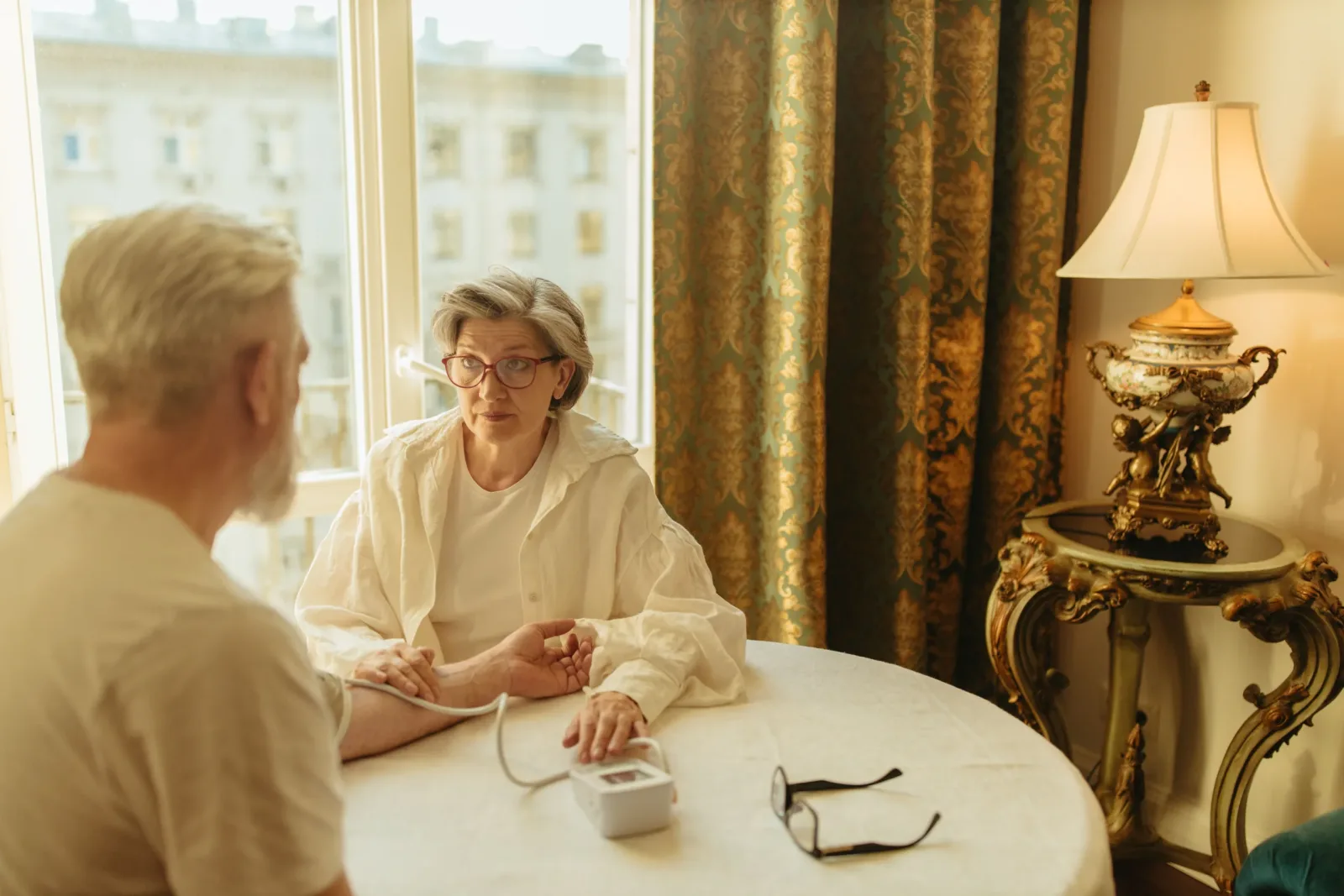
A hospital, rehabilitation, or skilled-nursing stay can change a family's routine overnight. Coming home may involve new instructions, appointments, equipment, transportation, meals, and more help than the family expected.
For Raleigh families, discharge is best treated as a transition—not a single ride home. AHRQ recommends involving the patient and family, discussing what life at home is really like, reviewing medications and warning signs, explaining results, and arranging follow-up care. [1]
The hospital, physician, nurse, therapist, pharmacist, or home-health clinician directs clinical care. Family and non-medical caregivers can support everyday routines around that plan.
Start before discharge day
Ask to join planning, with your parent's permission, as early as possible. Write down:
The expected date and destination
The discharge contact's name and number
Follow-up appointments and transportation
Prescriptions and medication changes
Equipment or supplies that must be ready
Activity, diet, wound-care, and therapy instructions
Symptoms that require a routine call, urgent call, or emergency help
Which services are ordered and when they begin
Who will be present during the first day and night
Medicare's checklist encourages patients and caregivers to ask where care will happen, what help will be needed, whether the home can meet those needs, what equipment is required, and who to contact. [2]
Describe the real home situation
Tell the team if your parent lives alone, has stairs, lacks transportation, cannot prepare meals, has memory or communication barriers, relies on a spouse with limitations, or has family nearby only at certain times.
Do not promise round-the-clock family coverage if it is not realistic. The plan should reflect the help that will actually be available.
Separate skilled care from everyday help
Home health is clinical care for eligible patients. Medicare may cover intermittent skilled nursing, therapy, and certain other services when its rules are met. It generally does not cover 24-hour care, delivered meals, homemaker services unrelated to the care plan, or personal care when that is the only care needed. [3]
Non-medical home care may support companionship, meal preparation, light housekeeping, errands, transportation, reminders, and respite. It does not replace nursing, therapy, medication administration, or emergency response.
See Non-Medical Home Care vs. Home Health and What Does a Non-Medical Caregiver Do?.
Prepare the home around the clinical plan
Use the discharge team's instructions and therapist recommendations. Check that the entrance is clear, walking paths are uncluttered, prescribed equipment is present, groceries and clinician-approved meals are available, and a working phone and contact list are easy to reach.
Do not improvise equipment, transfer techniques, or mobility help. Ask the appropriate clinician or therapist to demonstrate what is safe.
Build a first-week coverage plan
Assign an owner and backup for the ride home, building access, pharmacy pickup, first meal, any required overnight presence, follow-up rides, equipment delivery, family updates, and non-medical visits.
WakeMed describes case management as an individualized process that identifies discharge needs, coordinates a plan, and prepares the patient and family for home and community. [4] The process varies, but every practical task still needs a named person.
Use teach-back
Ask to explain important instructions in your own words:
“Can I explain back what we should do tonight?”
“Which medication changes are on the written list?”
“Who do we call if this symptom appears?”
“Can you show us the safe way to use this equipment?”
If the explanation is unclear, ask again.
Plan the first 72 hours
Follow written clinical instructions.
Confirm prescriptions, supplies, and equipment.
Keep discharge contacts visible.
Confirm appointments and rides.
Record questions for the correct clinician.
Cover meals, household basics, and companionship.
Give the family coordinator one reliable update.
Call 911 for immediate danger. For new or worsening symptoms, follow the clinical team's instructions or contact the appropriate licensed provider. Non-medical help does not provide clinical triage.
Coordinate locally in Raleigh
Families may be coordinating among WakeMed, UNC Health or UNC Rex, rehabilitation settings, primary-care offices, pharmacies, and community providers. Ask who owns the next step and when the handoff should occur.
For transportation, see Senior Transportation Options in Raleigh. For paid help, use How to Find and Hire an In-Home Caregiver in Raleigh-Durham.
When non-medical help may fit
Outside help may make the plan more realistic when gaps involve meals, grocery or prescription pickup, transportation, accompaniment, light household routines, companionship, or family respite.
Define the task, timing, communication rules, and boundaries before the first visit. Any need involving clinical judgment, hands-on medical care, medication administration, or therapy belongs with the appropriate licensed professional.
Plan non-medical support for the return home
Frequently asked questions
Does discharge mean my parent can manage alone?
No. Tell the team honestly what help is and is not available at home.
Can LoLo provide nursing?
LoLo's role is non-medical support. Skilled nursing, therapy, medication administration, and medical assessment require licensed providers.
What if the plan does not feel workable?
Raise the specific concern with the discharge planner before leaving: home setup, unavailable caregivers, transportation, cost barriers, or tasks the family has not been trained to perform.