
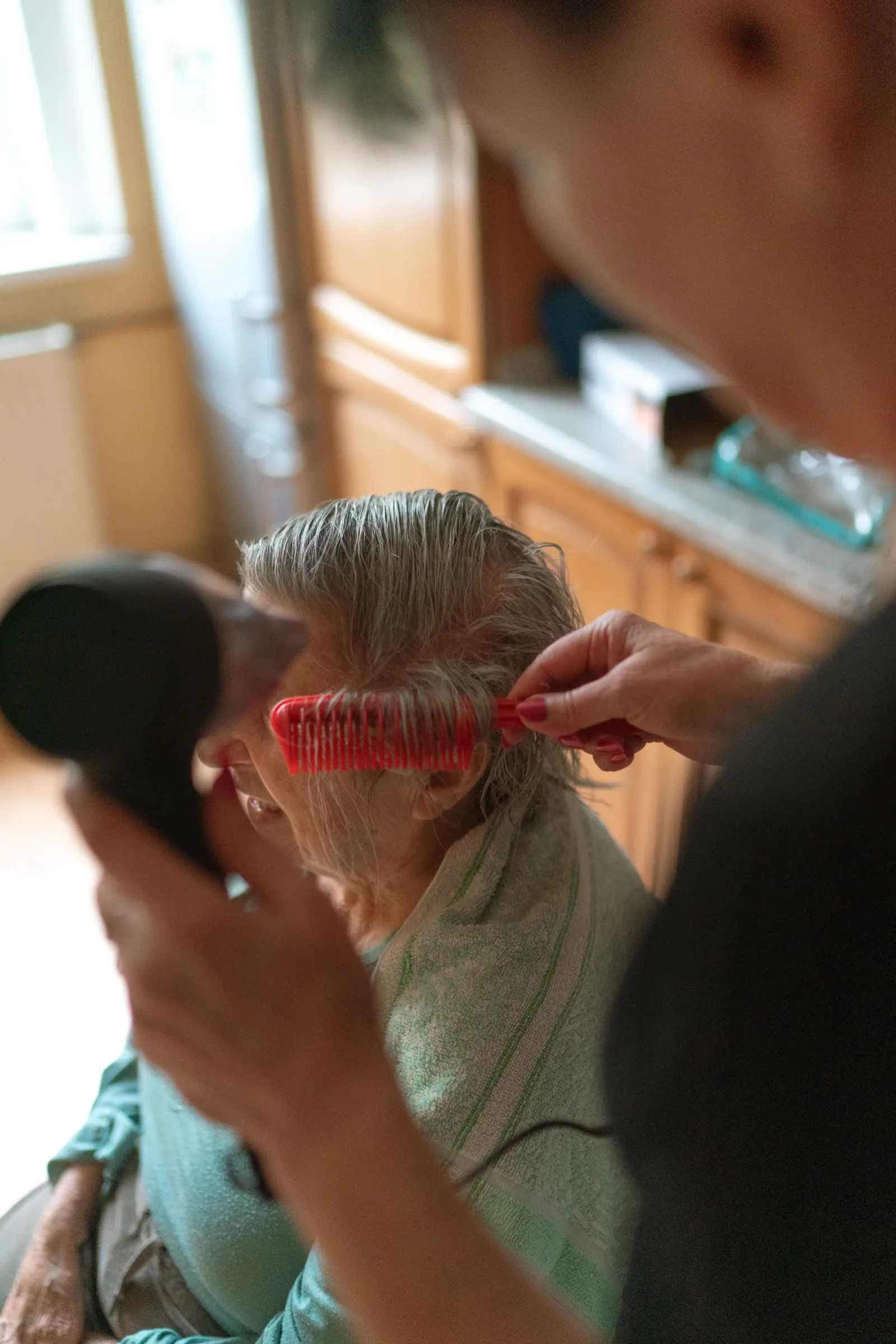
A non-medical caregiver can make recovery more manageable by covering everyday tasks around the surgical plan. The caregiver does not replace the surgeon, nurse, therapist, pharmacist, or home-health clinician.
MedlinePlus advises patients to ask their surgeon what help, supplies, equipment, and activity limits to expect. [1]
Practical tasks that may fit
Depending on the arrangement and caregiver's scope:
Preparing meals that follow written instructions
Grocery and prescription pickup
Light housekeeping and laundry
Transportation and accompaniment
Companionship
Help organizing the day's non-clinical routine
Reminders based on the written plan
Receiving deliveries
Family respite
Authorized factual updates
Tasks that remain clinical
A non-medical caregiver should not diagnose, assess a wound, change a medication dose, decide whether a symptom is urgent, provide skilled nursing, perform therapy, or claim clinical expertise.
The American College of Surgeons provides patient and caregiver training resources for specific home skills, underscoring that clinical tasks require appropriate instruction. [2]
Turn instructions into a visit plan
List the approved task, time, location, supplies, boundaries, and the person to call with questions. Keep the surgeon's warning signs and contact process visible, but route clinical concerns to licensed professionals.
Coordinate with family and home health
If home health is ordered, define what the clinician handles and what the non-medical caregiver handles. Avoid duplicate assumptions. A simple shared calendar can show visits, appointments, rides, meals, and task owners.
See Non-Medical Home Care vs. Home Health, Medication Reminders, and the pillar Help at Home After Surgery.
Frequently asked questions
Can a non-medical caregiver administer medication?
LoLo's role is reminders and everyday support within scope, not clinical medication administration.
Can a caregiver change a surgical dressing?
Clinical wound care requires the appropriate trained and authorized provider. Confirm individual needs with the surgical team.
Can a caregiver drive to follow-up visits?
Potentially, when transportation is within the arrangement and the vehicle meets the person's needs.