A trusted caregiver profile is specific enough to help a family imagine the actual visit. It does not rely on generic claims such as “I love helping people.”
LoLo says profiles can show strengths, availability, experience, reviews, and verification information. [1]
LoLo's family-facing site currently shows profile details such as experience, availability, ratings, verification, services, and pricing, which are the fields families may use when comparing fit. [2]
Use a current, clear photo
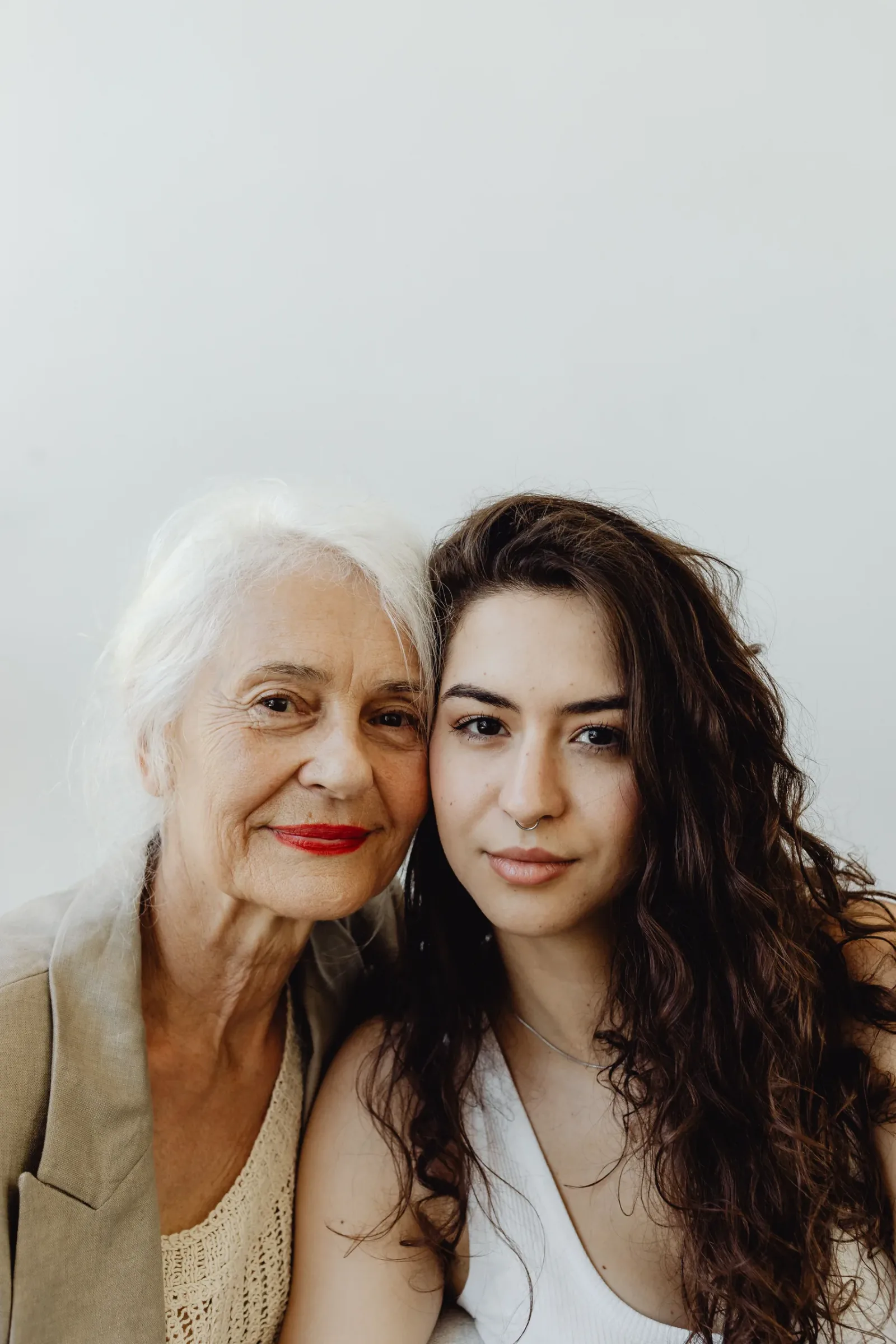
Choose a well-lit, recognizable image with a simple background. Do not use heavy filters, group photos, or an image that misrepresents you.
Describe experience specifically
Explain the settings, everyday tasks, populations, languages, transportation comfort, and schedule patterns you know. Protect former clients' privacy.
List only accurate credentials
Use the precise credential name, issuer, and current status. Do not imply that coursework, an expired credential, or informal experience creates a clinical license.
Define services and limits
Say what you are comfortable doing and what you will not accept. Clear boundaries make matching easier.
Keep availability realistic
Include travel radius, recurring availability, notice needs, and transportation limits. Update the profile when your schedule changes.
Build trust after the profile
Respond clearly, arrive reliably, confirm tasks, respect the older adult's choices, use authorized communication, and earn reviews through consistent work.
A verification badge or review supports a decision but does not guarantee personal fit or future conduct.
Read Flexible Caregiver Opportunities in Raleigh.
Frequently asked questions
Should I call myself a nurse if I am a nursing student?
No. Use your accurate current status and credentials.
Can I include former client stories?
Only without identifying private information and with any permission required.
What matters more than a long bio?
Specific experience, accurate availability, clear services, reliable communication, and truthful credentials.