
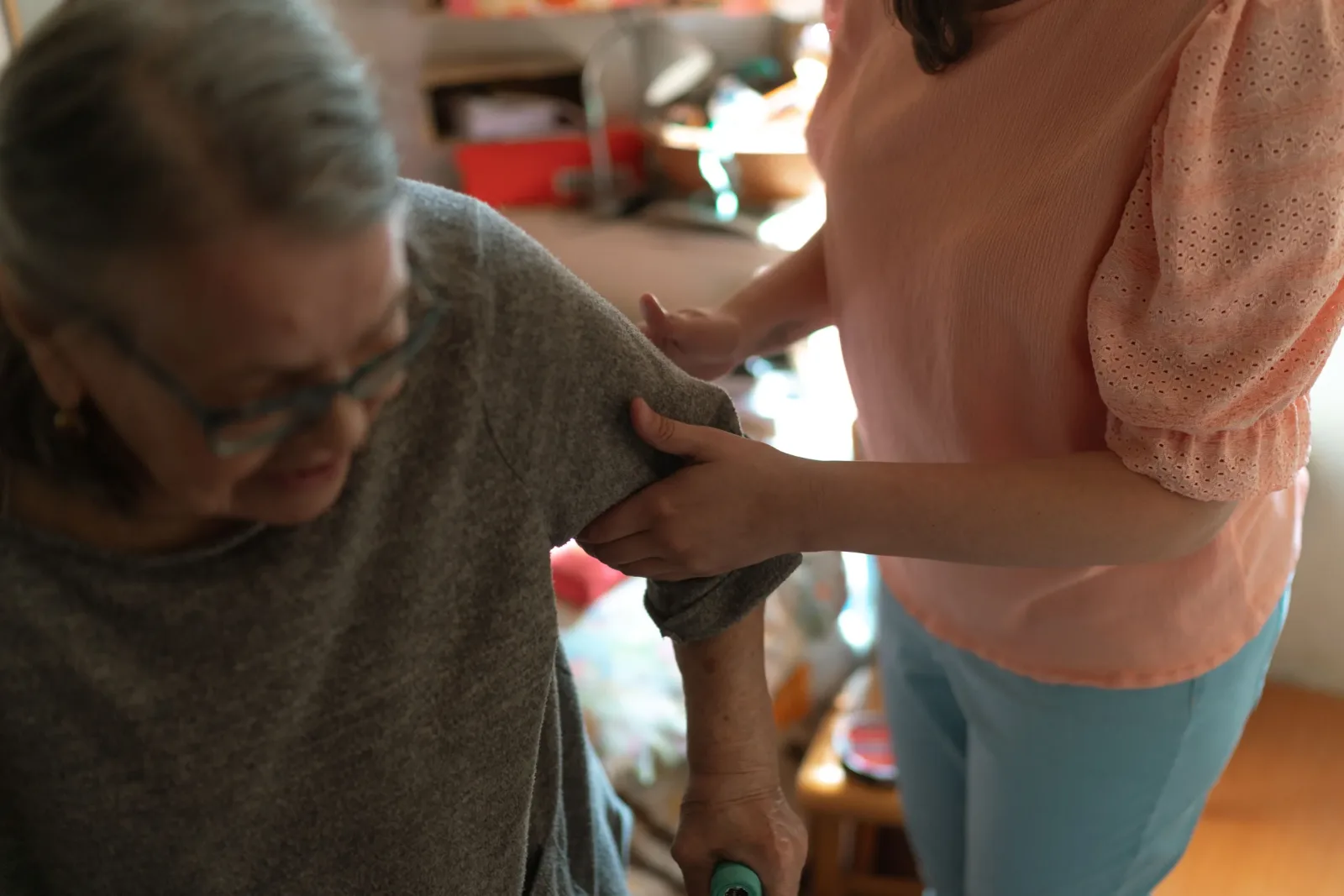
Respite care is temporary relief for an unpaid family caregiver. Another trusted person or program supports the older adult for a few hours, a day, overnight, or another agreed period so the family caregiver can rest, attend appointments, spend time with others, or recover energy. Respite can happen at home, through adult day services, or in a facility, depending on need and eligibility.
Quick answer
Respite is not abandonment and it does not have to mean full-time care. A short companion visit may be enough when the older adult needs company and ordinary non-medical support. Personal-care, dementia, medical, or overnight needs may require a differently qualified provider. Start with the exact tasks and the family caregiver's goal for the break.
Common respite formats
Format | Useful when | Confirm |
|---|---|---|
In-home companion visit | The older adult needs company, meals, routines, or supervision within non-medical scope | Tasks, emergency plan, availability |
In-home personal care | Hands-on activities of daily living are needed | Qualifications, care plan, equipment |
Adult day program | Structured daytime activities and supervision fit | Schedule, transportation, services, eligibility |
Facility or overnight respite | A longer break and higher support level are needed | Clinical fit, admission rules, cost |
Informal family/friend respite | A trusted person can safely cover | Clear instructions and realistic duration |
The National Institute on Aging describes respite and adult day services as ways to give caregivers a break, with program and payment rules that vary. [1]
North Carolina Lifespan Respite
The NC Lifespan Respite Program is application-based and reimburses eligible unpaid caregivers for approved respite expenses when funding is available. The current state page says awards may be up to $750 in a calendar year, applicants need a referral from a local professional organization, and detailed eligibility and use rules apply. [2] Funding and rules can change, so verify before making a plan.
Wake County starting points
Resources for Seniors serves Wake County older adults and adults with disabilities and provides local information and services. Its caregiver-support programs have specific age, residence, and funding rules. [3] Contact the organization directly for current eligibility rather than assuming a program will pay for a private caregiver.
Plan a useful respite visit
Write the older adult's routine, preferred activities, meals, mobility facts, medication boundary, pets, family contacts, and emergency steps. Decide what the caregiver may share. Start with a duration that lets the family caregiver actually leave, rest, or finish the planned activity without racing back.
LoLo Care can provide flexible non-medical companion respite in Wake County from one hour, subject to caregiver availability. [4] It does not replace skilled nursing, hands-on care outside scope, or emergency services.
Frequently asked questions
Is respite only for dementia caregivers?
No. Respite can support unpaid caregivers across many ages and conditions, though each program has its own eligibility.
Can respite be only two hours?
Yes, when the older adult's needs safely fit a short non-medical visit and a caregiver is available.
Does Medicare pay for respite at home?
Original Medicare generally does not cover ordinary companion respite. Hospice and other benefits have specific rules; verify with the plan and provider.
What should I do during respite?
Choose what restores capacity: sleep, exercise, an appointment, time with family, or simply being off duty. A break does not need to be productive.