
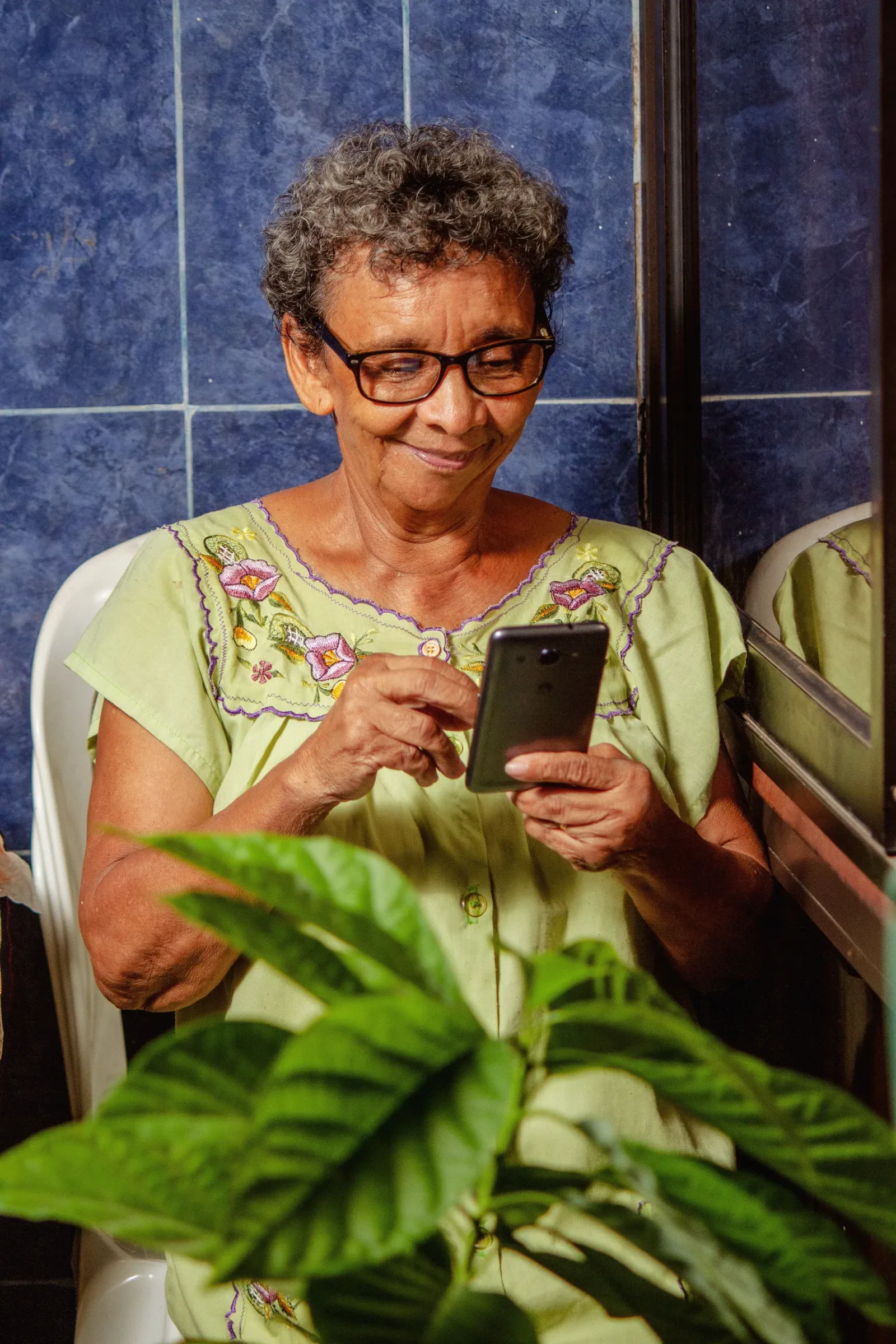
Long-distance caregiving can begin with phone calls and paperwork, then expand into scheduling, problem-solving, family updates, and arranging local help. You may be far away and still carry a large share of the responsibility.
NIA describes a long-distance caregiver as someone who lives an hour or more away and notes that the role may include money management, arranging in-home care, supporting a nearby caregiver, and planning for emergencies. [1]
Start with your parent's priorities and permission
Ask your parent what they want help with, who may receive updates, and which information should remain private.
Clarify:
The tasks causing the most difficulty
Who may speak with providers or community programs
Which family members may see schedules or visit notes
Who should be contacted in an emergency
What your parent wants to keep managing independently
Distance does not remove the parent's right to participate in decisions.
Build a local circle
Identify people near your parent who can help with different needs:
A nearby relative or friend
A trusted neighbor
A healthcare contact
A pharmacy
A transportation option
A home-repair contact
A community or faith organization
An appropriate paid caregiver or agency
A backup person with access instructions
Ask before sharing anyone's contact information. Define who handles routine questions and who responds to urgent concerns.
The federal Eldercare Locator connects families with local meal, transportation, home-support, caregiver-training, and respite resources. [2]
Divide work by location, not importance
A distant caregiver can own meaningful tasks:
Scheduling appointments and rides
Researching local resources
Managing a shared calendar
Ordering groceries or household supplies
Handling agreed bills or insurance calls
Organizing family updates
Booking non-medical visits
Creating an emergency information sheet
Giving the nearby caregiver a regular check-in
Do not let “local” become synonymous with “responsible for everything.” Write down each task, owner, backup, and deadline.
Create one source of truth
Use the simplest system the family will maintain.
It might include:
A shared calendar
A contact list
A current task list
A factual visit-note template
An emergency plan
A list of medications maintained by the appropriate person
Copies of documents stored only where authorized and secure
Keep routine facts out of scattered text threads. Limit sensitive information to people who need it and have permission to receive it.
Make video and phone calls more useful
Do not turn every conversation into an inspection.
Mix practical questions with ordinary connection:
What was the best part of the week?
Is anything around the house becoming frustrating?
How are groceries and meals working?
Is transportation limiting anything you want to do?
Would you like help arranging one task?
A video call may show more context than a phone call, but it is not a clinical assessment and cannot reveal everything happening at home.
Plan visits intentionally
Before traveling, ask your parent what they want to do. Also ask the nearby caregiver what would genuinely help.
A visit might include:
Spending unstructured time together
Attending an appointment with permission
Checking supplies and household routines
Meeting a local helper
Handling a repair
Giving the primary caregiver a break
Updating the emergency plan
NIA recommends discussing the visit in advance and using the time to take on responsibilities that help both the older adult and the nearby caregiver. [1]
Arrange dependable everyday help
Outside help may make sense when errands, meals, transportation, companionship, light household routines, or family respite are recurring gaps.
Define the job precisely. Agree on timing, boundaries, payment, communication, and the kind of update your parent permits.
For examples, read What Does a Non-Medical Caregiver Do?. Raleigh-Durham families can use How to Find and Hire an In-Home Caregiver.
Prepare for emergencies
Create a plan before a crisis:
Confirm the correct address and best entrance.
List local emergency and non-emergency contacts.
Identify who can reach the home.
Decide who will update family.
Keep authorized health and legal information accessible to the appropriate people.
Define what triggers emergency services.
Call emergency services for immediate danger. A remote monitoring tool, family chat, or non-medical caregiver does not replace emergency response.
Watch the caregiver's load
Remote coordination can be invisible but exhausting. The 2025 AARP/NAC study documents substantial health, employment, and financial strain among family caregivers. [3]
Set office hours for routine coordination, share tasks, create backups, and protect time for your own health and family.
Long-distance caregiving works best when it combines the parent's choices, a reliable local circle, clear ownership, and a plan that can change as needs change.