
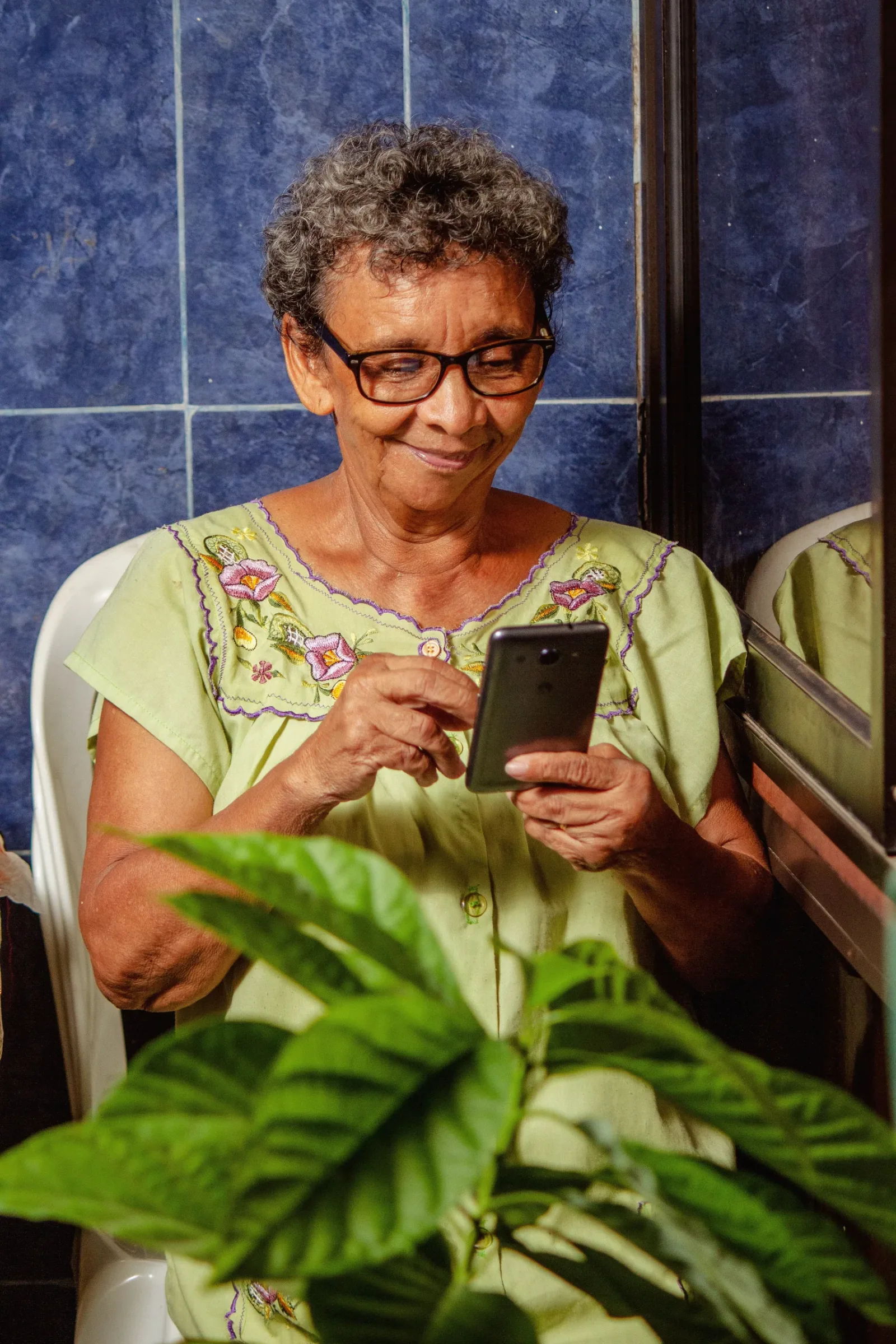
Some people with early-stage dementia continue living alone for a period of time. A diagnosis by itself does not answer whether that arrangement is safe today.
The better question is: Can this person manage the essential parts of daily life with an acceptable level of risk and a reliable support plan?
That answer should be revisited as abilities and circumstances change.
Include the person in the decision
Living alone is tied to identity, privacy, and control. Begin with the person’s goals:
What do they value about home?
Which tasks feel easy or difficult?
What help would they accept?
Who do they trust?
What would make them feel safer?
What changes would they consider in the future?
The National Institute on Aging notes that many people with early-stage dementia continue managing everyday activities and recommends planning ahead while the person can participate. [1]
Evaluate function, not appearances
A brief social visit may not show how the week is going. Review concrete areas:
Food and hydration
Is food available and still safe to eat?
Are meals being eaten regularly?
Has there been unexplained weight loss?
Can the person use appliances safely?
Medication
Are doses taken as directed?
Are medications duplicated, missed, or confused?
Is the current system still working?
Medication questions belong with the prescribing clinician or pharmacist. A reminder is not the same as medication management.
Home safety
Are doors secured appropriately?
Are there falls, burns, floods, or stove incidents?
Are stairs and walkways clear?
Can the person respond to smoke alarms or an emergency?
NIA recommends reviewing the home room by room and addressing immediate hazards first. [2]
Transportation
Is driving still safe?
Can the person use an alternative reliably?
Have there been dents, tickets, near misses, or getting lost?
Money and scams
Are bills paid?
Are unusual purchases or withdrawals appearing?
Does the person recognize suspicious calls or visitors?
Communication
Can the person use a phone?
Will they answer check-ins?
Can they communicate their address and ask for help?
Signs the current plan may be failing
One event does not always settle the question, but repeated patterns deserve prompt attention:
Getting lost
Leaving the stove or water on
Repeated missed meals
Unsafe medication use
Falls
Opening the door to unsafe visitors
Unpaid bills or exploitation
Wandering or nighttime exit-seeking
Inability to call for help
Pets not being cared for
Noticeable decline in hygiene
Frequent panic or isolation
The Alzheimer’s Association notes that wandering and isolation are particular concerns for people with dementia who live alone. [3]
A sudden change in confusion or function should be evaluated promptly by a healthcare professional.
Supports that may extend safe independence
Depending on the person, a plan might combine:
Scheduled family visits
Meal delivery
Medication support directed by appropriate professionals
Transportation
Companion-care visits
Adult day programs
Home safety changes
A medical alert or check-in system
Financial safeguards
A neighbor contact
A care coordinator
A written emergency plan
Technology can support a plan, but it cannot guarantee safety or substitute for human supervision when that is needed.
Create clear thresholds
Agree in advance on events that trigger reassessment, such as:
A second stove incident
Getting lost
A fall
A missed day of essential medication
A scam loss
A hospital visit
Failure to respond to check-ins
The primary helper becoming unavailable
Written thresholds reduce arguments during a crisis.
When living alone may no longer fit
Living alone may no longer be workable when essential risks cannot be reduced through accepted supports, the person needs continuous supervision, or the support network cannot reliably cover the plan.
The next step is not always a facility. Possibilities include more frequent in-home help, living with family, a different home, assisted living, memory care, or another arrangement based on needs, finances, preferences, and clinical advice.
A seven-day review
For one week, document:
Meals
Medication concerns
Check-in responses
Transportation
Safety events
Daily routines
Mood and isolation
Help received
What the person says they need
Share specific observations with the healthcare team. The goal is to preserve autonomy where possible while responding honestly to risk.